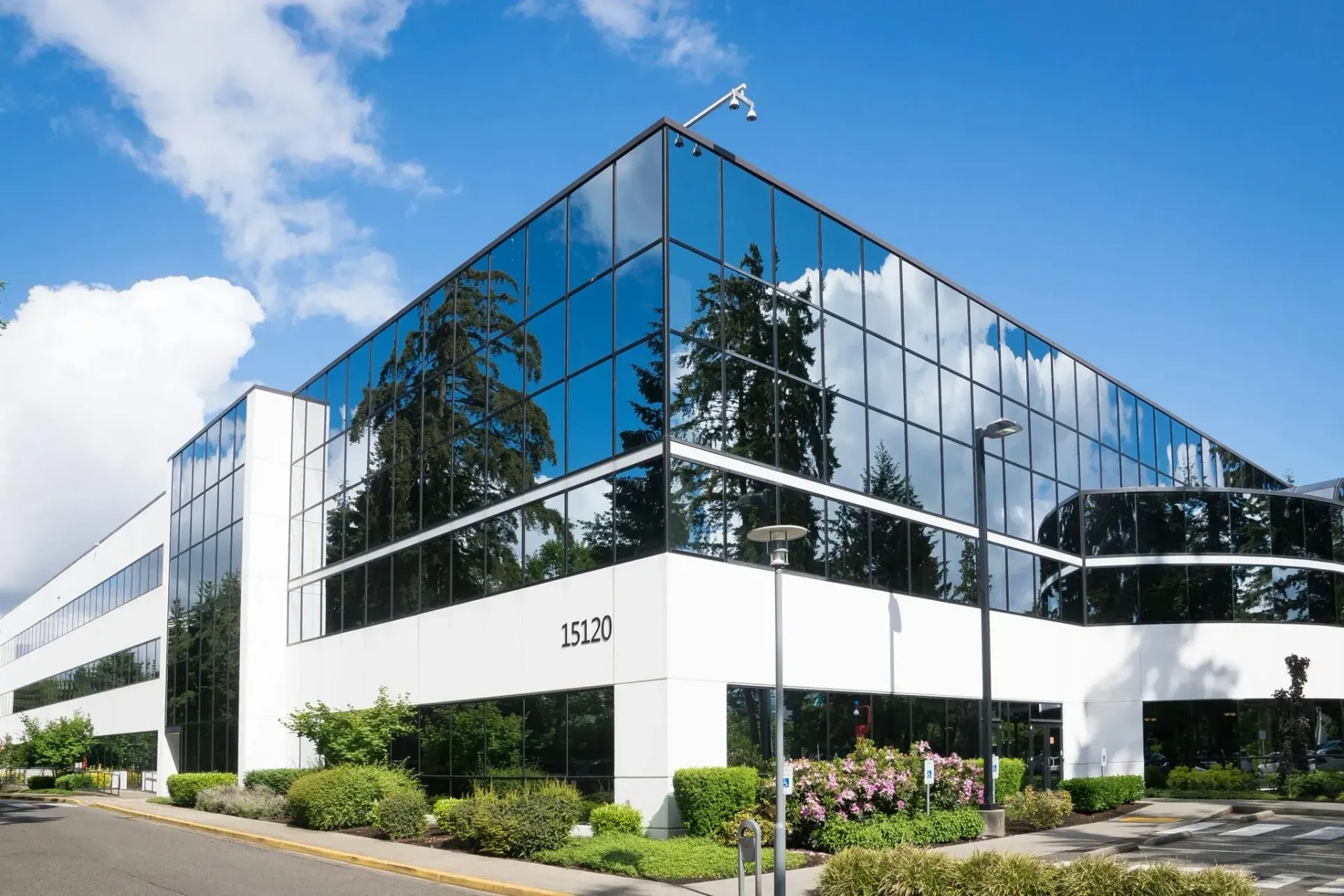
N Architectural Window Film: How Does It Work in Wilson, NC? Wilson’s summers bring sustained heat, high humidity, and UV intensity that standard building glass does nothing to address. Architectural window film is a professionally applied solution bonded to the interior surface of fixed building glass that intercepts solar energy before it raises interior temperatures, fades furnishings, and drives up cooling costs across homes and businesses throughout central North Carolina. Defining Architectural Window Film Architectural window film is a thin, optically engineered layer applied directly to flat building glass. It works as a selective filter across the solar spectrum, managing heat, UV radiation, and glare without requiring window replacement or structural changes to the property. How Architectural Window Film Works Window film addresses solar energy at the glass surface before it penetrates the building interior. The solar spectrum carries infrared radiation, ultraviolet radiation, and visible light, each contributing differently to heat buildup, material damage, and occupant discomfort inside Wilson homes and commercial spaces. Blocking Infrared Heat Infrared radiation is the primary driver of heat gain through building glass. High-performance architectural films intercept infrared wavelengths at the glass surface, reducing interior thermal load without requiring a darkened or heavily tinted appearance. Filtering UV Radiation Ultraviolet radiation passes through standard untreated glass and causes cumulative damage to flooring, furniture, upholstery, and artwork over time. Quality architectural film blocks the vast majority of UV radiation at the glass surface while preserving a clear, natural interior view. Core Benefits for Wilson, NC Properties North Carolina’s hot, humid summers and sustained UV exposure make architectural window film a practical investment for both residential and commercial properties across Wilson and the surrounding region. Heat rejection intercepts solar infrared energy at the glass surface, lowering interior temperatures and reducing the demand on cooling systems throughout Wilson’s extended summer season. UV protection shields interior furnishings, flooring, and artwork from the fading and material breakdown caused by sustained ultraviolet exposure through untreated building glass. Glare reduction softens intense afternoon light through south- and west-facing glass, improving comfort and usability in living rooms, offices, and storefronts without eliminating natural daylight. Architectural Film vs. Automotive Tint Architectural and automotive window films serve related purposes but are engineered as distinct products for different glass types. Architectural film is designed for large, flat building glass panels with different adhesive systems, thermal properties, and installation requirements than the curved glass used in vehicles. The installation process requires tools and techniques specific to building glass, and the film specifications are calibrated for fixed residential and commercial surfaces. Choosing the Right Film Type for Your Wilson Property Film material and construction determine how well a product holds up under North Carolina’s sustained UV intensity and seasonal heat cycling. In a general sense, depending on the manufacturer, lower-grade dyed films can fade, discolor, or experience adhesive failure under the conditions Wilson buildings face year-round. Nano-ceramic films represent the current performance standard, delivering strong infrared rejection and UV protection with non-metallic construction that does not interfere with WiFi, smart home systems, or wireless devices. Frequently Asked Questions How does architectural window film perform in Wilson’s heat and humidity? North Carolina’s humid summers create conditions that lower-grade films can struggle to maintain adhesion through over time depending on the manufacturer. High-performance ceramic architectural films, such as those made by HITEK Films, are engineered to maintain clarity, heat rejection, and adhesive stability through Wilson’s seasonal temperature swings and sustained UV load. How is architectural film different from automotive window tint? Architectural film is engineered specifically for large, flat building glass with different adhesive chemistry, surface dimensions, and thermal dynamics than automotive glass . T he installation methods and film specifications differ from vehicle tinting even when the same brand is used across both applications. How long does architectural window film last in North Carolina? Premium architectural film installed by a certified professional is built to perform for many years without peeling, bubbling, or color shift. In a general sense, depending on the manufacturer, lower-grade dyed films can degrade faster under Wilson’s sustained UV and humidity. High-performance ceramic films, such as those made by HITEK Films, carry warranty coverage reflecting their long-term durability in demanding southeastern climates. Does architectural window film reduce energy costs for Wilson homes and businesses? Window film reduces solar heat gain through building glass, lowering the thermal load that cooling systems must manage during North Carolina’s long hot season. For properties with significant south- or west-facing glass, controlling heat entry at the glass level can contribute meaningfully to lower energy consumption over time.
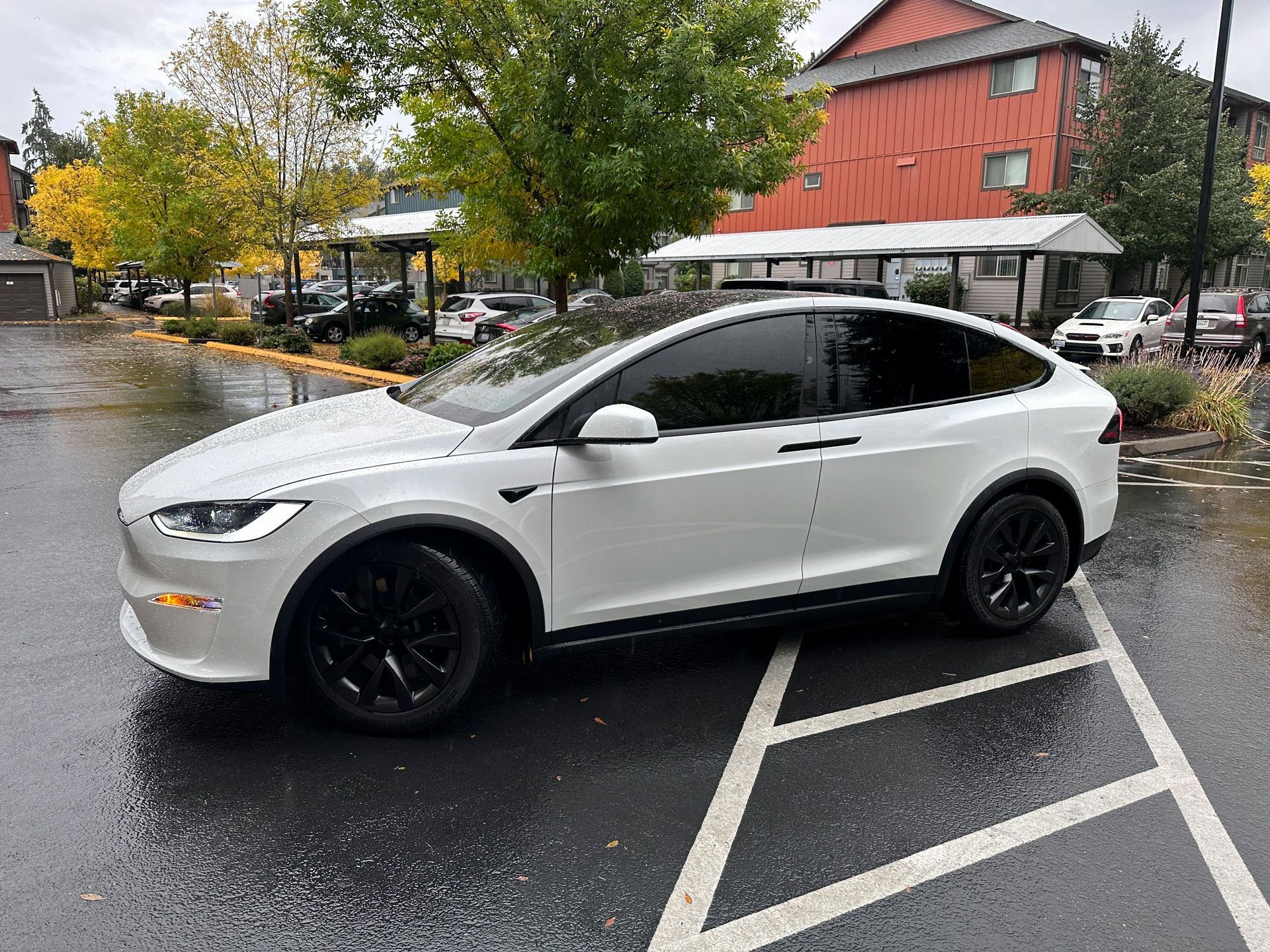
Keep Your SUV Cool in Wilson, NC: 2026 Window Tint Guide Wilson drivers searching for the best window tint for SUVs face a specific climate challenge. Eastern NC summers combine sustained heat with high humidity, and large vehicles carry significantly more glass than standard sedans. That additional surface area turns every untreated window into a heat entry point across Wilson NC 27893 and surrounding communities. This guide covers which film technologies perform best for large vehicles in Wilson’s conditions, what North Carolina law requires, and why factory privacy glass is not the protection most SUV owners assume it is. Why Wilson SUV Owners Are Upgrading to Ceramic Tint For large vehicles, the problem is not just sun. High humidity causes cabin heat to feel heavier and persist longer, forcing the A/C to remove both thermal energy and moisture from a large interior volume simultaneously. In general, standard dyed films primarily darken glass and deliver limited infrared heat rejection, though performance varies by manufacturer. Carbon film improves on this with better color stability and moderate heat reduction, but in general it does not match nano-ceramic on infrared rejection. Nano-ceramic window tint, such as those made by HITEK Films, targets IR heat rejection and total solar energy rejection (TSER) directly, cutting the radiant heat felt on surfaces and in the cabin air even at legal VLT levels. For full-size SUV tint packages in Wilson, every additional square foot of glass magnifies the effect of IR rejection. The more glass your vehicle carries, including rear quarter windows and panoramic panels, the more significant the ceramic advantage becomes. Nano-ceramic film is also non-metallic, making it signal-safe for GPS, cellular, and driver-assist systems common in modern large vehicles. IR Heat Rejection and Humidity Performance in Large SUVs In Wilson’s humid climate, IR heat rejection determines how quickly a large vehicle becomes comfortable after sitting in the sun. Humidity traps heat in the cabin air, forcing the A/C to run longer to reach a set temperature. Nano-ceramic films with high IR and TSER ratings reduce how much radiant heat enters the cabin in the first place, which directly reduces that accumulated heat load. This matters practically for full-size SUVs, vans, and trucks in Wilson where cabin glass area is significantly greater than a standard sedan. The ceramic-equipped vehicle reaches a comfortable cabin temperature faster because its seats, panels, and interior air are not starting from the same heat baseline. Over multiple summers, that reduced A/C demand can lower HVAC wear and support fuel efficiency in both conventional and hybrid large vehicles. TSER adds another layer by accounting for visible light and infrared together. Films with high TSER reduce both glare and total heat load, which is especially relevant for SUVs with panoramic sunroofs or extended rear cargo glass where overhead solar exposure is sustained throughout the day. UV Protection and Interior Preservation Factory privacy glass on many SUVs is a persistent source of confusion. That glass is produced through a pigment process designed to reduce visible light for privacy, but in general it provides limited UV or infrared rejection regardless of how dark it appears, though this varies by manufacturer. Leather seats, dashboards, and trim in SUVs with factory privacy glass can still crack, fade, and deteriorate under Eastern NC sun because the glass is not filtering the radiation responsible for that damage. Premium nano-ceramic films, such as those made by HITEK Films, block nearly all UVA and UVB radiation, significantly slowing interior degradation across all exposed surfaces. For Wilson SUV owners, this UV barrier produces direct long-term benefits: Leather and vinyl retain their condition longer, resisting cracking and discoloration from sustained UV exposure. Dashboard surfaces, stitching, and soft-touch materials hold their appearance across multiple seasons. Child seats, plastics, and interior fabrics maintain their color and structural integrity over time. The most practical approach for rear windows with existing factory dark glass is a clear or very light nano-ceramic overlay. This maintains the existing appearance while adding the UV and IR protection that factory glass does not deliver on its own. Frequently Asked Questions What is the darkest legal tint for an SUV in North Carolina? North Carolina requires front side windows to allow at least 35% VLT. A 3% meter tolerance means approximately 32% is the practical enforcement floor during NC window tint inspections. Rear side windows and back glass on SUVs and multi-purpose vehicles are permitted at any darkness level. Does factory SUV privacy glass block heat? In general, no. Factory privacy glass is pigmented for appearance and visual privacy but provides limited IR or UV blocking, though this varies by manufacturer. An aftermarket nano-ceramic film adds the infrared and UV rejection that factory glass does not deliver on its own. Can I pass NC inspection with 20% tint on my front windows? No. Front windows must measure at least 32% Net VLT to pass a North Carolina state inspection. A 20% reading on the front doors will not meet that threshold and typically requires film removal before the vehicle can pass. Is ceramic tint worth the cost for a large vehicle? Yes. Because SUVs and vans carry significantly more glass than standard sedans, the cumulative IR and TSER performance of ceramic tint produces a larger difference in cabin comfort, A/C demand, and interior protection. The larger the vehicle, the more measurable the benefit of ceramic over carbon or dyed film. 📞 Call *phone number* for a professional assessment of your vehicle and find out which nano-ceramic film package delivers the right heat rejection, NC legal compliance, and long-term interior protection for your SUV in Wilson.
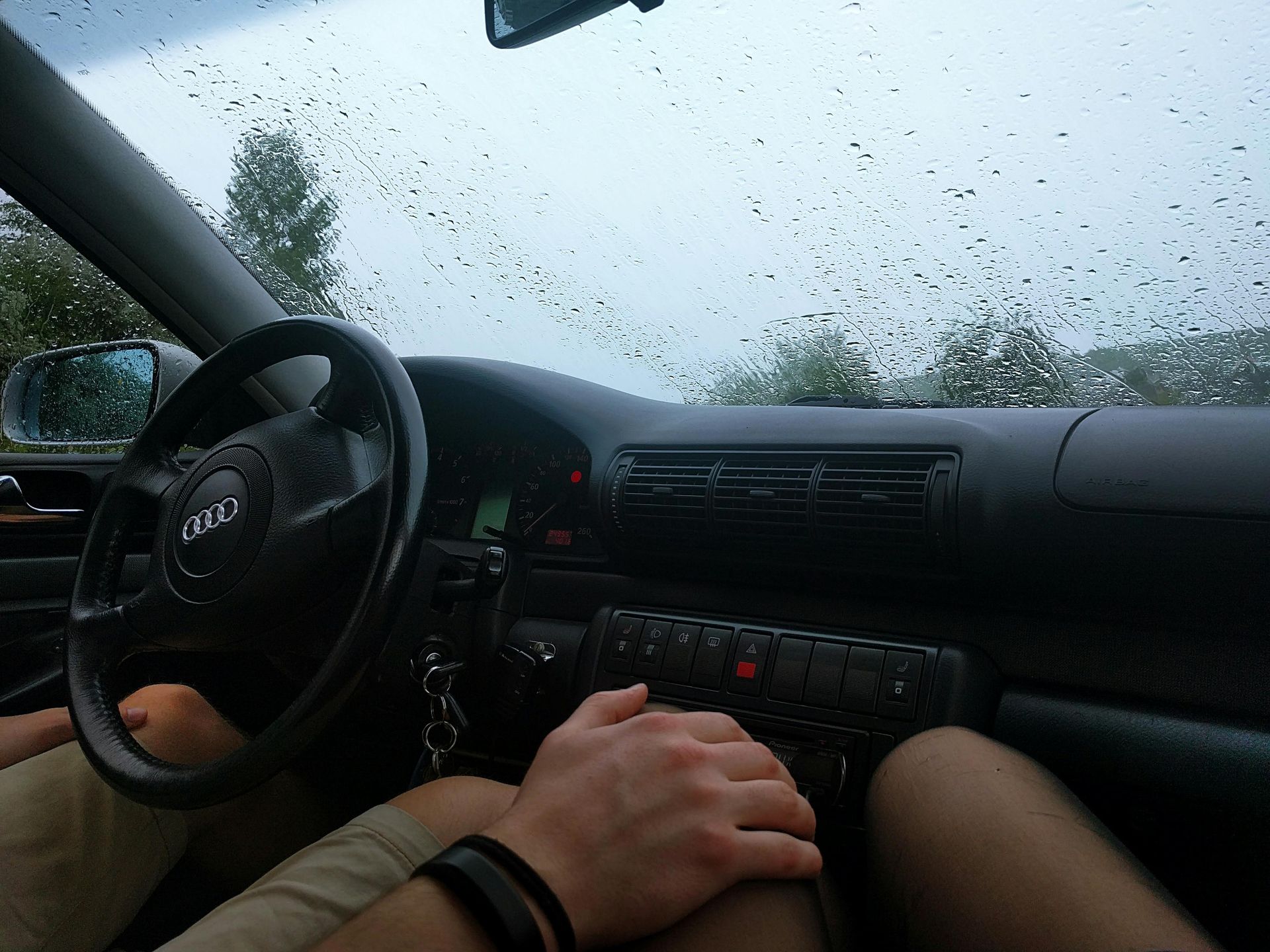
Wilson, NC Windshield Tint: The Best Legal & Safe Options If you’re searching for the best windshield tint Wilson, NC drivers can use without failing inspection or receiving a fix-it ticket, understanding North Carolina law is essential. The right option must balance visibility, UV protection, and strict state standards. Wilson’s humid summers, strong glare along Highway 264, and annual inspection requirements make windshield tint a compliance decision. Here’s what’s legal under current North Carolina law and how clear ceramic films help reduce heat while staying within regulations. North Carolina Windshield Tint Laws: What’s Legal in 2026? North Carolina General Statute 20-127 regulates vehicle window tint statewide. Windshields are treated more strictly than side and rear glass to protect forward visibility in rain, fog, and low-light conditions. The AS-1 Line Rule: Why You Can’t Tint the Full Windshield Dark Dark film cannot be installed below the AS-1 line marked on the windshield. This etched indicator near the top edge defines the maximum legal area for darker, non-reflective tint. If the AS-1 marking is not visible, state law allows a non-reflective strip extending no more than 5 inches down from the top of the windshield. Dark film below that boundary is illegal and can result in citations. The 5-Inch Strip: Measuring Your Sun Strip to Avoid Wilson Fix-It Tickets The legal visor strip must stay within the top 5 inches or above the AS-1 line. Measurement is taken vertically from the top edge straight down. Extending below this boundary commonly leads to fix-it tickets during roadside stops.A properly measured strip reduces glare without affecting the main viewing area. Clear UV Film: The Legal Way to Tint the Full Windshield Many drivers assume no film is allowed below the AS-1 line. However, the law permits optically clear UV film across the full windshield, provided it does not darken the glass or obstruct vision.High-VLT films such as 70%–90% ceramic options qualify when they remain clear. Benefits of compliant clear ceramic film include: Significant infrared heat rejection Up to 99% UV protection Reduced interior fading Inspection-safe clarity Advanced nano-ceramic films, including those from HITEK Films, provide strong heat reduction while maintaining legal transparency. Why Wilson Drivers Choose Ceramic Tint for Heat Relief Eastern North Carolina summers combine heat and humidity, creating intense cabin temperatures even during short parking periods.Windshields let in substantial solar energy.For drivers researching window tinting Wilson NC services or searching “car tinting near me 27893,” ceramic technology is often preferred because it targets heat directly. Beating Eastern NC Humidity: How IR-Blocking Ceramic Keeps Cabins Cooler Infrared radiation is the main cause of interior heat. IR-blocking ceramic films reject much of this energy before it penetrates the glass.On hot Wilson afternoons, vehicles with high-VLT ceramic windshield film stay noticeably cooler than untreated glass, reducing air conditioning strain and slowing dashboard wear. Advanced nano-ceramic options, such as HITEK Films, offer long-term stability and heat rejection where clarity matters most. Glare Reduction on Highway 264: Best VLT for Morning & Evening Drives Sunrise and sunset driving along Highway 264 produces intense glare. A properly measured visor strip combined with clear ceramic film below the AS-1 line reduces harsh light without darkening the field of vision. High-VLT ceramic maintains clarity during rain, overcast conditions, and dusk. Choosing the Right Film: Ceramic vs. Carbon Both ceramic and carbon outperform older dyed technologies. Nano-ceramic uses microscopic particles to block infrared and UV radiation while remaining non-metallic and transparent. Benefits for windshields include: Strong IR rejection in clear shades 99% UV blocking Excellent night visibility No electronic interference Premium nano-ceramic films, such as HITEK Films, are made for high-clarity applications where performance and compliance matter. Avoiding Signal Interference: Metallic Films Risky for GPS in Rural Wilson Metallic films reflect heat but can interfere with GPS, cellular signals, and embedded windshield antennas. In rural Wilson County, signal stability is important. Non-metallic ceramic and carbon films avoid interference, making ceramic the preferred windshield option for maximum heat rejection with clear visibility. Navigating the NC State Inspection in Wilson Understanding Wilson NC vehicle inspection tint rules prevents unnecessary delays or citations.North Carolina requires side windows to allow at least 35% Visible Light Transmission (VLT). How Tint Meters Work: The 3% Variance (35% May Read 32% & Pass) Inspection stations use calibrated tint meters that clamp over the glass and measure actual light transmission.North Carolina allows a 3% variance. This means a 35% rated film may legally read as low as 32% and still pass. Factory glass tint combined with aftermarket film can affect the final reading.Clear windshield ceramic films typically meter well above minimum requirements and remain inspection-safe when properly selected. Passing Annual Safety Checks at Local Wilson Stations While routine tint checks are no longer part of every inspection procedure, the law remains enforceable. Officers may test window tint during traffic stops. Ensuring the sun strip stays within the AS-1 or 5-inch limit and using compliant clear ceramic film across the windshield minimizes the risk of violations.
The Complete Guide to Window Tint Lifespan in Wilson, NC? If you’re searching how long does window tint last in Wilson NC, you’re likely trying to protect your vehicle from sun damage without dealing with premature failure or unexpected legal trouble. Wilson drivers face a specific mix of Eastern North Carolina humidity, strong seasonal sun, and recent changes to state enforcement that have created confusion. This guide explains realistic tint lifespans by material, how local climate affects curing and aging, and what to expect long term in Wilson. Expected Lifespan: What the Wilson Climate Does to Your Tint How long does window tint last in Wilson NC depends on film quality and how it performs in a humid, pollen-heavy environment. Eastern North Carolina conditions place more stress on window film than drier regions. Most Wilson drivers can expect the following general lifespan ranges: Dyed film: often lasts a few years before fading, color shift, or adhesive wear becomes noticeable, depending on the manufacturer Carbon film: typically lasts longer, offering improved color stability and moderate heat control Ceramic and nano-ceramic film: commonly lasts well over a decade when properly installed and maintained, especially with lifetime warranty window tinting Wilson options High humidity affects both curing and long-term durability. Lower-quality dyed films tend to sit at the lower end of their lifespan range, while premium nano-ceramic window film Wilson installations hold performance and appearance significantly longer. Why Humidity and Heat Matter in Eastern NC Wilson’s climate affects window tint in two key ways: how it cures in the first few weeks and how it ages over the years. The Humidity Haze: Curing Your Tint in Wilson After installation, moisture between the glass and film must evaporate as the adhesive cures. In humid environments like Wilson, this process takes longer than in dry climates. Typical curing expectations for Wilson drivers include: Hot, drier summer conditions: several days Humid spring or fall weather: closer to two weeks Cool, damp stretches: haze can linger for multiple weeks During this period, light fogginess or soft, rounded bubbles are normal. This is part of the curing process, not a failure, as long as the windows are left up and the film is not disturbed. UV Protection: Saving Your Interior from the NC Sun Eastern NC sun exposure accelerates interior wear over time. UV radiation and heat contribute to fading, cracking, and material breakdown on dashboards, seats, and door panels. Window film reduces this exposure and helps stabilize cabin temperatures. North Carolina UV index window film benefits typically include a cooler interior and slower interior aging. Ceramic and nano-ceramic films maintain their UV and infrared rejection longer than basic dyed films, keeping protection consistent throughout the film’s lifespan. The 2026 Legal Landscape: NC Senate Bill 43 and You North Carolina window tint laws 2026 changed how tint is enforced, not how dark tint can legally be. While recent updates removed tint checks from routine inspections, legal limits still apply on the road. What Changed at Inspection Tint is no longer measured during standard safety inspections, and the separate tint-related inspection charge was removed. This has led some drivers to believe tint regulations no longer matter. Why Legal Limits Still Matter Even without inspection checks, vehicles can still be cited during traffic stops if tint falls below the legal visible light transmission threshold. Inspection-free does not mean legal-free, and compliance remains important for daily driving in and around Wilson. 3 Wilson-Specific Factors That Shorten Tint Life Even high-quality tint can wear prematurely if local conditions are ignored. Pine Pollen and Vertical Scratches Each spring, pine pollen builds up inside window gaskets. When windows move, that fine debris drags along the film surface. Over time, this causes vertical scratches and hazy streaking, one of the most common sources of early wear in Eastern NC.Wiping the top edge of the glass and gasket area with a damp microfiber cloth during pollen season helps prevent this damage. Heat Cycles: High Noon to Nighttime Cools Wilson regularly experiences hot afternoons followed by cooler, humid nights. This daily temperature swing causes repeated expansion and contraction of glass and film. Quality films are made to handle these cycles, but lower-grade materials often harden or bubble sooner under long-term stress, leading to window tint bubbling in Wilson conditions. Why Ammonia-Based Cleaners Are Tint’s Worst Enemy Ammonia-based cleaners degrade window film over time. They can cloud surface layers and weaken adhesive bonds, leading to peeling or bubbling. Using ammonia-free cleaners and soft microfiber towels preserves clarity and extends film life.
Does Window Tint Affect Visibility at Night in Wilson, NC? Wilson drivers navigating rural routes or humid eastern North Carolina evenings wonder if window tint hinders night driving. Fair concern. The area’s mix of downtown lighting and rural roads makes visibility key. Tint affects it depending on VLT, film type, and installation. Good news: premium ceramic films at 35% VLT or higher maintain nighttime clarity while cutting glare and heat. For Wilson’s humid climate and roads, the right tint level matches the film. HITEK Films’ nano-ceramic options provide consistent performance suited to North Carolina’s demanding driving environment. What Is VLT and Why Does It Matter for Night Driving? Visible Light Transmission (VLT) measures the percentage of light passing through tinted glass. Higher VLT lets in more light to support night visibility. Lower VLT boosts daytime privacy and heat rejection but needs careful thought for night driving. North Carolina requires 35% VLT or higher on front side windows, with no rear minimum. This threshold keeps front visibility workable. Rear flexibility exists, but dark tints can impact mirror views at night, so assess your routes. Practical takeaway: 50–70% VLT barely affects nighttime driving. Below 35% on fronts, low-light conditions worsen, especially on humid NC nights when air scatters light. Does Window Tint Reduce Visibility at Night? Yes, darker tint reduces nighttime visibility, but impact varies by film level and quality.Films at 50% VLT or higher minimally affect night driving and reduce glare from oncoming headlights. This helps on Wilson’s busier corridors after dark. Films below 35% VLT increase light loss, creating hazards on rural Wilson roads or rainy, humid nights with low contrast.Cheaper dyed films develop haze over time, scattering light and worsening visibility. Premium ceramic films maintain sharp optical clarity through their lifespan without distortion. Ceramic Tint vs. Standard: Which Performs Better at Night? Ceramic tint outperforms standard dyed or metalized films for nighttime driving due to superior optical clarity. Ceramic films reject infrared heat and UV rays without disrupting visible light passage through glass, delivering clean, undistorted views even in dim conditions. Standard films, particularly cheaper dyed ones, degrade over time and develop haze that blurs night light sources. In Wilson’s humidity, this happens faster from moisture and heat stress. Metalized films also interfere with GPS/cell signals, adding inconvenience without visibility gains. HITEK Films’ nano-ceramic lineup avoids all of these pitfalls. Their films maintain precise low-light clarity without signal interference, and they’re built to hold up in North Carolina’s humid climate without bubbling or hazing. Best Tint Percentages for Safe Night Driving in Wilson Picking the right VLT percentage means balancing the privacy and heat benefits you want against your nighttime visibility needs: 70% VLT — Near-untinted night visibility; safest for front windows on rural/low-lit Wilson roads. Rejects UV, cuts heat while prioritizing clarity. 50% VLT — Popular balance for Wilson drivers. Good privacy, heat/glare reduction, reliable night visibility on everyday lit roads. 35% VLT — NC legal minimum for fronts. Evaluate night routes; upgrade to 50% if rural/foggy drives are common. Below 35% VLT — Illegal/risky on NC fronts. Even rears impair mirrors at night; test post-install. Tips to Maintain Good Visibility with Window Tint at Night After installation, test tint on dimly lit Wilson roads before unfamiliar conditions. Night drives near Wilson Corporate Park or rural east stretches confirm if your level feels right. Adjust mirrors precisely; alignment matters more with tinted glass and added shadow. Avoid common mistakes such as choosing the darkest legal shade without night testing, budget films that haze fast, poor installs with air pockets or weak adhesion distorting light. These worsen visibility beyond tint level. Is Window Tint Safe for Night Driving in Wilson, NC? Yes, with the right choices. Wilson’s urban downtown lighting, rural roads, and NC humidity demand a thoughtful approach over darkest options. Ceramic films at 35–50% VLT on front windows meet legal requirements and maintain reliable nighttime clarity. Rear windows with moderate tint provide privacy without compromising mirror visibility for most drivers. Quality film, proper installation, and VLT matched to your driving conditions deliver tint benefits without nighttime trade-offs.
Does Ceramic Window Tint Truly Reduce Heat in Wilson, NC? Wilson, NC, sees hot, humid summers with July highs averaging 88–90°F and heat index often exceeding 100°F due to thick humidity. This makes parked cars unbearably hot, leading many drivers to ask if ceramic window tint in Wilson, NC, actually cools interiors meaningfully or if claims are exaggerated. Premium nano-ceramic films do block significant heat by rejecting 90%+ infrared radiation, creating noticeably cooler cabins and reducing AC demands. Effectiveness depends on film quality, expert installation, and local humidity. HITEK Films’ Ceramic Ultra and Ceramic IR lines provide dependable performance tailored to North Carolina’s muggy conditions. Understanding Ceramic Window Tint and Its Mechanism How Nano-Ceramic Technology Functions Ceramic window tint in Wilson, NC, uses microscopic nano-ceramic particles to selectively block infrared radiation, the main source of solar heat entering a vehicle. Unlike metalized films that can disrupt signals, this non-metallic formula rejects heat while maintaining full GPS, mobile, and radio functionality. HITEK Films’ Ceramic Ultra achieves up to 96% IR rejection at 1025 nm and 71% total solar energy rejection (TSER), while Ceramic IR delivers 75% rejection across 740–2500 nm. By stopping solar energy at the glass, the film prevents significant heat penetration, effectively tackling North Carolina’s humid conditions. Does Ceramic Tint Genuinely Reduce Heat? Key Performance Data IR Rejection, TSER, and Measurable Heat Reduction High-quality ceramic tint demonstrates clear advantages in heat rejection metrics. HITEK Films’ Ceramic Ultra delivers up to 71% TSER and 96% IR rejection, paired with 99% UV protection across different shade levels. The Ceramic Plus series provides 90–92% IR rejection and 61–69% TSER depending on visible light transmission (VLT). These premium films consistently outperform standard or carbon-based alternatives in blocking radiant heat in North Carolina. The result is a measurable decrease in cabin temperature, particularly during prolonged exposure to humid summer sun. How Much Cooler Does Your Vehicle Stay in Wilson? Independent tests and real-world feedback show ceramic tint lowers interior temperatures by 15–30°F after parking in humid 90°F+ conditions. Wilson and Raleigh-area drivers often report a less oppressive “blast furnace” feel upon entry and faster initial AC cool-down times. While interiors stay noticeably cooler during North Carolina’s humid heat, all-day parked vehicles still absorb heat from convection and road radiation. Ceramic tint significantly delays the rise but does not fully prevent it. Ceramic Tint Compared to Regular, Carbon, and Alternative Films in North Carolina Heat Why Ceramic Outperforms in Humid Conditions Ceramic window tint in North Carolina outperforms regular and dyed films, which typically offer limited infrared rejection and are prone to fading over time depending on the manufacturer. Carbon films provide moderate improvement over dyed options but generally fall short of ceramic’s 90%+ IR rejection and higher TSER values. Metalized films, while effective at heat reflection, can disrupt electronic signals. In North Carolina’s humid environment, ceramic vs carbon tint comparisons clearly favor ceramic for superior heat block, long-term color stability, and overall performance, making it the leading choice for North Carolina heat protection.Premium nano-ceramic films from HITEK Films maintain consistent performance even after extended exposure to humidity and ultraviolet radiation. Key Advantages of Ceramic Tint for Wilson-Area Drivers UV Protection, Glare Reduction, and Air Conditioning Savings HITEK Films block 99% of UV rays, protecting both occupants from harmful exposure and vehicle interiors from fading, cracking, and premature aging in North Carolina’s intense sun. Glare reduction improves visibility and driving comfort on bright summer days. Lower cabin temperatures decrease the workload on air conditioning systems. This translates to practical fuel savings from reduced cool-down times in Wilson traffic and throughout the Raleigh region. Windshield Solutions for Optimal Heat Rejection Clear nano-ceramic films like HITEK Films’ Ceramic Clear (42% TSER) maximize infrared heat rejection without darkening or compromising visibility. North Carolina regulations allow non-reflective tint above the AS-1 line (top 5–6 inches) or fully clear UV/IR films across the windshield if VLT stays legal. These options provide substantial cabin cooling with no significant visibility or enforcement concerns, ideal for humid, glare-heavy conditions. The main trade-off is higher initial cost versus daily comfort and long-term AC savings. Is Ceramic Window Tint a Smart Investment in Wilson? Advantages, Drawbacks, and Value Limitations and Setting Realistic Expectations Ceramic tint significantly delays heat buildup but doesn’t fully prevent it. Vehicles parked long-term in humid conditions still warm from convection, road radiation, and ambient air. Pairing with shade parking or ventilation yields the best results. Avoid expecting a completely cool cabin without AC. In North Carolina humidity, lower-quality films risk bubbling depending on manufacturer and installation quality. Selecting the Top Ceramic Tint Brands for North Carolina HITEK Films distinguishes itself with Ceramic Ultra (96% IR rejection, 71% TSER, lifetime warranty) and Ceramic IR (75% IR rejection, color-stable formulation). These products perform comparably or better than leading competitors in humid environments. Focus on warranties that specifically address moisture, UV exposure, bubbling, fading, and delamination. HITEK Films’ lifetime warranty coverage provides strong assurance of long-term durability in North Carolina’s demanding climate. FAQs Does ceramic tint really make a difference in Wilson, NC / North Carolina heat? Yes, premium products like HITEK Films’ Ceramic Ultra can reduce interior temperatures by 15–30°F in humid conditions and noticeably decrease radiant heat exposure. How much heat does ceramic window tint block compared to regular tint? Ceramic films typically block 90–96% of infrared radiation compared to significantly lower levels in most regular or dyed films (often under 50%, varying by manufacturer), delivering higher TSER and better overall solar heat rejection. Is ceramic tint worth the additional cost for North Carolina summers? For Wilson-area drivers dealing with persistent humid heat, yes. For improved comfort, reduced air conditioning demands, and better interior protection usually justify the investment compared to basic tint options. 📞 Ready to stay cooler during Wilson’s humid summers? Call *phone number* today for professional guidance and a customized quote on premium HITEK Films ceramic tint solutions tailored to your vehicle and North Carolina’s challenging climate.
Cheap Window Tint in Wilson NC: Worth It or Waste? You’re weighing whether cheap window tint is a waste of money in Wilson NC because humid summers and discount installs often promise shade but deliver haze, bubbles, and early failure. Understanding North Carolina window tint laws 2026 helps avoid compliance mistakes and repeat installations. In Wilson’s climate, low-grade films struggle with moisture, UV exposure, and adhesion. This guide explains how material quality, installation conditions, and long-term performance determine whether budget tint delivers value or becomes an ongoing cost. Why Cheap Window Tint Fails in Wilson’s Humid Climate Is cheap window tint a waste of money in Wilson NC? The answer becomes clear when comparing driveway installations with professional Wilson NC window tinting services. Eastern North Carolina’s humidity and agricultural dust create challenges for any film applied outside a controlled environment. Mobile and backyard installs allow pollen and debris to settle on the glass before the film cures. Over time, this contamination weakens adhesion and causes visible defects. DIY window tint vs professional installations often shows the difference in surface preparation, curing control, and long-term clarity that determines whether a film lasts or fails. Why Your Tint Turns Purple: The North Carolina Sun vs. Cheap Dyes Ceramic vs dyed window tint makes a critical difference in Wilson’s UV-intense climate. In a general sense, dyed films can fade or discolor over time depending on the manufacturer and material quality. Prolonged UV exposure breaks down organic dyes, leading to purple or brown haze and reduced clarity. A more stable option is advanced ceramic construction, such as those made by HITEK Films, which use inorganic particles designed to remain color-stable and maintain optical clarity under long-term sun exposure. Infrared Heat Rejection vs. Darkness: What Matters on US-264 Infrared (IR) heat rejection is what controls cabin temperature, not darkness alone. Dyed films rely on shading to absorb heat, which is then released into the interior. Ceramic films reflect and block infrared energy before it enters the cabin. Carbon window tint benefits provide a middle ground, offering improved UV protection for cars in NC with better stability than basic dyed films. For daily commutes on US-264, consistent IR rejection reduces interior heat buildup and limits the need to run the air conditioning at maximum output. The Real Cost of “Cheap” The savings from budget tint often disappear after the first failure. When a film bubbles, fades, or becomes non-compliant, removal and replacement become unavoidable. The Hidden Removal and Repair Cost Window tint removal cost Wilson NC varies by vehicle and film condition, but removal is frequently required before re-tinting. Adhesives that cure improperly in humid conditions are harder to remove and often require bubbling window tint repair or full replacement. FAQs Is 20% tint legal in North Carolina for 2026? No. North Carolina law requires front side windows to allow a minimum level of light transmission. Tint darker than the legal limit violates state law, even though tint is no longer checked during annual inspections. Do I still need a tint inspection in NC? No. North Carolina eliminated tint checks from routine inspections in late 2025. This does not change the legal standard, and traffic enforcement still applies. How much does it cost to remove old tint in Wilson, NC? Removal costs depend on the number of windows, film age, and adhesive condition. Films that are bubbled or discolored are often harder to remove and may require full replacement. Is ceramic tint worth it for the NC summer? Yes. Ceramic films provide consistent infrared heat rejection, maintain clarity, and remain stable under long-term UV exposure, which improves comfort and durability in humid summers. Why does window tint turn purple in North Carolina? In general, purple discoloration occurs when UV exposure breaks down low-quality dye layers. High humidity and sun exposure accelerate this process. More stable ceramic constructions resist this degradation. 📞 Call *phone number* and get professional advice on compliant window tint options for Wilson driving conditions.
Factory Tint or Aftermarket Tint: Full Guide for Wilson, NC Drivers When you’re driving through Wilson or navigating the broader North Carolina landscape, the dark rear glass on your new SUV might look like a built-in shield against the sun. But, many local drivers discover that appearances can be deceiving when it comes to heat and safety. Understanding the differences between aftermarket tint and factory glass is essential for staying cool on Highway 264 and remaining compliant with the state's latest legal standards. The Reality of Factory “Privacy Glass” People call standard “factory tint” privacy glass. Manufacturers deep-dye the glass during production to darken the rear windows of SUVs and minivans for a sleek look. It hides valuables from prying eyes, but it differs from the high-performance films that professionals apply. Why It Fails to Block Heat Privacy glass serves as decoration. Colored glass rejects minimal infrared (IR) energy, which is the force that scorches your vehicle’s interior with heat. Without a significant Total Solar Energy Rejection (TSER) rating, factory glass allows solar energy to penetrate the cabin, which is particularly noticeable during humid North Carolina summers. North Carolina Legality for Factory Glass Built-in privacy glass is legal because it is original equipment from the manufacturer. But, this glass almost only covers the rear windows. In Wilson, your front side windows must still meet the state’s least light transmission requirements, regardless of what the back windows look like. The Ceramic Advantage: Why Aftermarket Wins in Wilson Professional aftermarket film is a specialized layer applied to your existing glass to enhance performance. For the local climate, the ceramic and nano-ceramic options produced by HITEK Films focus on actual heat rejection over simple darkness. Beating the NC Humidity Low-grade dyed films often succumb to Wilson’s high humidity, leading to bubbling, hazy views, or adhesive failure. High-quality ceramic films remain stable and clear, resisting the delamination that plagues cheaper alternatives. Superior UV and IR Defense Premium ceramic films block 99% of ultraviolet (UVA and UVB) rays. This protection is vital for preventing up to 80% of interior fading, such as dashboard cracks, while shielding your skin from sun damage during long hauls. Signal Clarity Unlike older metalized films, modern ceramic technology is compatible with 5G, GPS, and radio signals, ensuring your connectivity remains uninterrupted. Update on 2026 North Carolina Window Tint Laws Significant changes to North Carolina’s tint enforcement took effect as of December 2025. These updates streamline the inspection process but introduce new responsibilities for drivers during roadside stops. Elimination of the $10 Inspection Fee The mandatory tint check during your annual safety inspection is gone. Drivers in Wilson no longer need to pay the extra ten-dollar fee at the inspection station. Instead, compliance is now enforced through roadside light meter tests by law enforcement. The New “Officer Approach” Law Under the 2026 updates, drivers with tinted windows must roll down their windows when approached by an officer during a traffic stop. This rule ensures officer safety by providing a clear view into the vehicle's interior. Performance and Legal Comparison While factory privacy glass offers visual privacy, it provides limited heat and UV control. Adjusting its performance is hard and often feels insufficient in humid climates Aftermarket ceramic film provides strong heat rejection with TSER ratings often exceeding 60%. It also offers high UV protection and flexible darkness options, though it must meet the 32% Visible Light Transmission (VLT) North Carolina limit on front side windows. Staying Compliant in Wilson, NC Before adding film, it is crucial to understand "VLT math." Visible Light Transmission (VLT) measures the total light passing through both the glass and the film. Since most factory glass already has a natural tint, adding a 35% film will often result in a total transmission that drops you below the legal limit. The AS-1 Line Rule Non-reflective tint is only allowed on the top of your windshield or above the manufacturer's AS-1 line. Passenger Cars vs. SUVs In North Carolina, passenger sedans must maintain a specific VLT on all side and rear windows. But, "multipurpose vehicles" like SUVs and vans can have darker rear windows, provided the front side windows still meet the 32% rule
Picking The Best Window Tint Shop in Wilson, NC (Essential Factors to Consider) Finding the best window tint shop in Wilson, NC ensures your vehicle stays comfortable, protected, and compliant with state rules. Many drivers regret rushed decisions that lead to peeling film, unsightly bubbles, or unexpected tickets, especially after North Carolina’s 2025 tint law updates. This guide highlights key qualities to prioritize for durable, high-performance results in our local humid climate. Navigating North Carolina’s 2025 Window Tint Law Changes As of December 2025, North Carolina no longer requires window tint checks during annual safety inspections. This eliminates the previous $10 fee and simplifies the process. However, legal limits remain strictly enforced during traffic stops. Police can still issue citations for non-compliant tint using approved meters. The new law also mandates rolling down the tinted window on the side an officer approaches for safety and accurate measurement. Professional shops stay current on these rules and guide you toward options that maximize heat rejection while meeting the 35% Visible Light Transmission (VLT) minimum on front sides (with a 3% variance, often allowing down to 32%). For sedans, all windows must hit at least 35% VLT. SUVs and trucks enjoy more flexibility on rear sides and back glass. Reputable Wilson installers explain these distinctions clearly to prevent issues. Why Wilson’s Humidity Demands Premium Installation Wilson’s hot, moist summers accelerate failures in subpar films. Low-grade materials fade quickly, trap heat, and develop bubbles as adhesives weaken.Top window tint shops in Wilson, NC combat this with controlled environments and advanced films boasting high Total Solar Energy Rejected (TSER) ratings. These reduce cabin temperatures effectively, protect interiors from UV damage, and ensure long-lasting adhesion, even in our challenging conditions. Ceramic vs. Carbon Tint: Best Choices for North Carolina Drivers Ceramic films lead the pack for Wilson vehicles. Nano-ceramic particles excel at blocking infrared heat and UV rays without signal interference, delivering superior TSER and clarity that holds up over years.Carbon options provide solid glare reduction at a lower price but typically reject 10-15% less heat and may fade sooner. For extended comfort during long, humid North Carolina summers, especially in trucks and SUVs common here, ceramic proves the smarter, longer-term investment. Key Indicators of a Reliable Wilson Window Tint Professional Certified Access to Premium Brands like HITEK Films Factory-trained installers use high-quality nano-ceramic lines backed by robust support and performance data. Certification ensures proper techniques and manufacturer warranties. Climate-Controlled, Dust-Free Bays Open-air or uncontrolled spaces invite contaminants in humid air. Pros use sealed facilities and often welcome bay tours as proof of their standards. Expertise with Local Vehicles Wilson’s abundance of trucks and SUVs means handling dot matrix edges and varying legal limits precisely, often with computer-plotter cuts for flawless fits. Lifetime Transferable Warranties Strong coverage includes defects like bubbling or peeling, with labor included and validity even if you sell the vehicle. Always get details in writing. Transparent Practices Quality shops share spec sheets, demonstrate films, and answer questions openly. Common Pitfalls to Avoid in Wilson Tint Shops Steer clear of mobile-only installs in uncontrolled settings, hand-cut film (prone to errors), vague or limited warranties, and rock-bottom prices that signal cheap materials. These often result in premature failure amplified by local weather.Many leading Wilson providers also bundle paint protection film (PPF) to shield against road debris, ideal for rural North Carolina drives. Choose Wisely for Lasting Results The best window tint shop in Wilson NC combines legal expertise, premium certified materials like HITEK Films, meticulous controlled installation, and ironclad warranties. Prioritizing these delivers cooler cabins, preserved interiors, and peace of mind through every season. 🚗 Ready for professional, compliant tinting? Contact a certified specialist at *phone number* today for personalized advice on ceramic options, warranties, and 2025 law compliance. Get your free quote and drive cooler tomorrow!