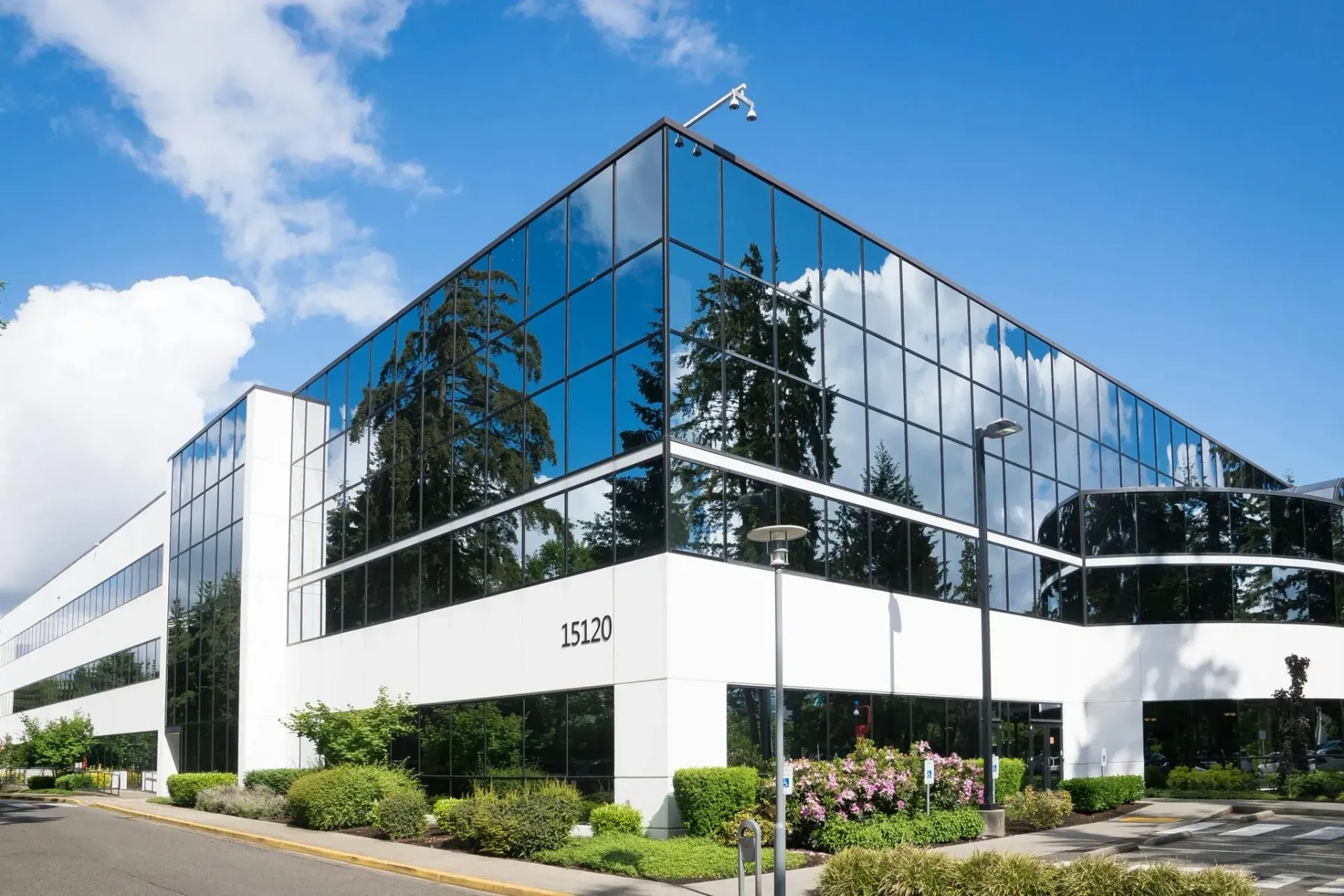
N Architectural Window Film: How Does It Work in Wilson, NC? Wilson’s summers bring sustained heat, high humidity, and UV intensity that standard building glass does nothing to address. Architectural window film is a professionally applied solution bonded to the interior surface of fixed building glass that intercepts solar energy before it raises interior temperatures, fades furnishings, and drives up cooling costs across homes and businesses throughout central North Carolina. Defining Architectural Window Film Architectural window film is a thin, optically engineered layer applied directly to flat building glass. It works as a selective filter across the solar spectrum, managing heat, UV radiation, and glare without requiring window replacement or structural changes to the property. How Architectural Window Film Works Window film addresses solar energy at the glass surface before it penetrates the building interior. The solar spectrum carries infrared radiation, ultraviolet radiation, and visible light, each contributing differently to heat buildup, material damage, and occupant discomfort inside Wilson homes and commercial spaces. Blocking Infrared Heat Infrared radiation is the primary driver of heat gain through building glass. High-performance architectural films intercept infrared wavelengths at the glass surface, reducing interior thermal load without requiring a darkened or heavily tinted appearance. Filtering UV Radiation Ultraviolet radiation passes through standard untreated glass and causes cumulative damage to flooring, furniture, upholstery, and artwork over time. Quality architectural film blocks the vast majority of UV radiation at the glass surface while preserving a clear, natural interior view. Core Benefits for Wilson, NC Properties North Carolina’s hot, humid summers and sustained UV exposure make architectural window film a practical investment for both residential and commercial properties across Wilson and the surrounding region. Heat rejection intercepts solar infrared energy at the glass surface, lowering interior temperatures and reducing the demand on cooling systems throughout Wilson’s extended summer season. UV protection shields interior furnishings, flooring, and artwork from the fading and material breakdown caused by sustained ultraviolet exposure through untreated building glass. Glare reduction softens intense afternoon light through south- and west-facing glass, improving comfort and usability in living rooms, offices, and storefronts without eliminating natural daylight. Architectural Film vs. Automotive Tint Architectural and automotive window films serve related purposes but are engineered as distinct products for different glass types. Architectural film is designed for large, flat building glass panels with different adhesive systems, thermal properties, and installation requirements than the curved glass used in vehicles. The installation process requires tools and techniques specific to building glass, and the film specifications are calibrated for fixed residential and commercial surfaces. Choosing the Right Film Type for Your Wilson Property Film material and construction determine how well a product holds up under North Carolina’s sustained UV intensity and seasonal heat cycling. In a general sense, depending on the manufacturer, lower-grade dyed films can fade, discolor, or experience adhesive failure under the conditions Wilson buildings face year-round. Nano-ceramic films represent the current performance standard, delivering strong infrared rejection and UV protection with non-metallic construction that does not interfere with WiFi, smart home systems, or wireless devices. Frequently Asked Questions How does architectural window film perform in Wilson’s heat and humidity? North Carolina’s humid summers create conditions that lower-grade films can struggle to maintain adhesion through over time depending on the manufacturer. High-performance ceramic architectural films, such as those made by HITEK Films, are engineered to maintain clarity, heat rejection, and adhesive stability through Wilson’s seasonal temperature swings and sustained UV load. How is architectural film different from automotive window tint? Architectural film is engineered specifically for large, flat building glass with different adhesive chemistry, surface dimensions, and thermal dynamics than automotive glass . T he installation methods and film specifications differ from vehicle tinting even when the same brand is used across both applications. How long does architectural window film last in North Carolina? Premium architectural film installed by a certified professional is built to perform for many years without peeling, bubbling, or color shift. In a general sense, depending on the manufacturer, lower-grade dyed films can degrade faster under Wilson’s sustained UV and humidity. High-performance ceramic films, such as those made by HITEK Films, carry warranty coverage reflecting their long-term durability in demanding southeastern climates. Does architectural window film reduce energy costs for Wilson homes and businesses? Window film reduces solar heat gain through building glass, lowering the thermal load that cooling systems must manage during North Carolina’s long hot season. For properties with significant south- or west-facing glass, controlling heat entry at the glass level can contribute meaningfully to lower energy consumption over time.
Keep Your SUV Cool in Wilson, NC: 2026 Window Tint Guide Wilson drivers searching for the best window tint for SUVs face a specific climate challenge. Eastern NC summers combine sustained heat with high humidity, and large vehicles carry significantly more glass than standard sedans. That additional surface area turns every untreated window into a heat entry point across Wilson NC 27893 and surrounding communities. This guide covers which film technologies perform best for large vehicles in Wilson’s conditions, what North Carolina law requires, and why factory privacy glass is not the protection most SUV owners assume it is. Why Wilson SUV Owners Are Upgrading to Ceramic Tint For large vehicles, the problem is not just sun. High humidity causes cabin heat to feel heavier and persist longer, forcing the A/C to remove both thermal energy and moisture from a large interior volume simultaneously. In general, standard dyed films primarily darken glass and deliver limited infrared heat rejection, though performance varies by manufacturer. Carbon film improves on this with better color stability and moderate heat reduction, but in general it does not match nano-ceramic on infrared rejection. Nano-ceramic window tint, such as those made by HITEK Films, targets IR heat rejection and total solar energy rejection (TSER) directly, cutting the radiant heat felt on surfaces and in the cabin air even at legal VLT levels. For full-size SUV tint packages in Wilson, every additional square foot of glass magnifies the effect of IR rejection. The more glass your vehicle carries, including rear quarter windows and panoramic panels, the more significant the ceramic advantage becomes. Nano-ceramic film is also non-metallic, making it signal-safe for GPS, cellular, and driver-assist systems common in modern large vehicles. IR Heat Rejection and Humidity Performance in Large SUVs In Wilson’s humid climate, IR heat rejection determines how quickly a large vehicle becomes comfortable after sitting in the sun. Humidity traps heat in the cabin air, forcing the A/C to run longer to reach a set temperature. Nano-ceramic films with high IR and TSER ratings reduce how much radiant heat enters the cabin in the first place, which directly reduces that accumulated heat load. This matters practically for full-size SUVs, vans, and trucks in Wilson where cabin glass area is significantly greater than a standard sedan. The ceramic-equipped vehicle reaches a comfortable cabin temperature faster because its seats, panels, and interior air are not starting from the same heat baseline. Over multiple summers, that reduced A/C demand can lower HVAC wear and support fuel efficiency in both conventional and hybrid large vehicles. TSER adds another layer by accounting for visible light and infrared together. Films with high TSER reduce both glare and total heat load, which is especially relevant for SUVs with panoramic sunroofs or extended rear cargo glass where overhead solar exposure is sustained throughout the day. UV Protection and Interior Preservation Factory privacy glass on many SUVs is a persistent source of confusion. That glass is produced through a pigment process designed to reduce visible light for privacy, but in general it provides limited UV or infrared rejection regardless of how dark it appears, though this varies by manufacturer. Leather seats, dashboards, and trim in SUVs with factory privacy glass can still crack, fade, and deteriorate under Eastern NC sun because the glass is not filtering the radiation responsible for that damage. Premium nano-ceramic films, such as those made by HITEK Films, block nearly all UVA and UVB radiation, significantly slowing interior degradation across all exposed surfaces. For Wilson SUV owners, this UV barrier produces direct long-term benefits: Leather and vinyl retain their condition longer, resisting cracking and discoloration from sustained UV exposure. Dashboard surfaces, stitching, and soft-touch materials hold their appearance across multiple seasons. Child seats, plastics, and interior fabrics maintain their color and structural integrity over time. The most practical approach for rear windows with existing factory dark glass is a clear or very light nano-ceramic overlay. This maintains the existing appearance while adding the UV and IR protection that factory glass does not deliver on its own. Frequently Asked Questions What is the darkest legal tint for an SUV in North Carolina? North Carolina requires front side windows to allow at least 35% VLT. A 3% meter tolerance means approximately 32% is the practical enforcement floor during NC window tint inspections. Rear side windows and back glass on SUVs and multi-purpose vehicles are permitted at any darkness level. Does factory SUV privacy glass block heat? In general, no. Factory privacy glass is pigmented for appearance and visual privacy but provides limited IR or UV blocking, though this varies by manufacturer. An aftermarket nano-ceramic film adds the infrared and UV rejection that factory glass does not deliver on its own. Can I pass NC inspection with 20% tint on my front windows? No. Front windows must measure at least 32% Net VLT to pass a North Carolina state inspection. A 20% reading on the front doors will not meet that threshold and typically requires film removal before the vehicle can pass. Is ceramic tint worth the cost for a large vehicle? Yes. Because SUVs and vans carry significantly more glass than standard sedans, the cumulative IR and TSER performance of ceramic tint produces a larger difference in cabin comfort, A/C demand, and interior protection. The larger the vehicle, the more measurable the benefit of ceramic over carbon or dyed film. 📞 Call *phone number* for a professional assessment of your vehicle and find out which nano-ceramic film package delivers the right heat rejection, NC legal compliance, and long-term interior protection for your SUV in Wilson.
Wilson, NC Windshield Tint: The Best Legal & Safe Options If you’re searching for the best windshield tint Wilson, NC drivers can use without failing inspection or receiving a fix-it ticket, understanding North Carolina law is essential. The right option must balance visibility, UV protection, and strict state standards. Wilson’s humid summers, strong glare along Highway 264, and annual inspection requirements make windshield tint a compliance decision. Here’s what’s legal under current North Carolina law and how clear ceramic films help reduce heat while staying within regulations. North Carolina Windshield Tint Laws: What’s Legal in 2026? North Carolina General Statute 20-127 regulates vehicle window tint statewide. Windshields are treated more strictly than side and rear glass to protect forward visibility in rain, fog, and low-light conditions. The AS-1 Line Rule: Why You Can’t Tint the Full Windshield Dark Dark film cannot be installed below the AS-1 line marked on the windshield. This etched indicator near the top edge defines the maximum legal area for darker, non-reflective tint. If the AS-1 marking is not visible, state law allows a non-reflective strip extending no more than 5 inches down from the top of the windshield. Dark film below that boundary is illegal and can result in citations. The 5-Inch Strip: Measuring Your Sun Strip to Avoid Wilson Fix-It Tickets The legal visor strip must stay within the top 5 inches or above the AS-1 line. Measurement is taken vertically from the top edge straight down. Extending below this boundary commonly leads to fix-it tickets during roadside stops.A properly measured strip reduces glare without affecting the main viewing area. Clear UV Film: The Legal Way to Tint the Full Windshield Many drivers assume no film is allowed below the AS-1 line. However, the law permits optically clear UV film across the full windshield, provided it does not darken the glass or obstruct vision.High-VLT films such as 70%–90% ceramic options qualify when they remain clear. Benefits of compliant clear ceramic film include: Significant infrared heat rejection Up to 99% UV protection Reduced interior fading Inspection-safe clarity Advanced nano-ceramic films, including those from HITEK Films, provide strong heat reduction while maintaining legal transparency. Why Wilson Drivers Choose Ceramic Tint for Heat Relief Eastern North Carolina summers combine heat and humidity, creating intense cabin temperatures even during short parking periods.Windshields let in substantial solar energy.For drivers researching window tinting Wilson NC services or searching “car tinting near me 27893,” ceramic technology is often preferred because it targets heat directly. Beating Eastern NC Humidity: How IR-Blocking Ceramic Keeps Cabins Cooler Infrared radiation is the main cause of interior heat. IR-blocking ceramic films reject much of this energy before it penetrates the glass.On hot Wilson afternoons, vehicles with high-VLT ceramic windshield film stay noticeably cooler than untreated glass, reducing air conditioning strain and slowing dashboard wear. Advanced nano-ceramic options, such as HITEK Films, offer long-term stability and heat rejection where clarity matters most. Glare Reduction on Highway 264: Best VLT for Morning & Evening Drives Sunrise and sunset driving along Highway 264 produces intense glare. A properly measured visor strip combined with clear ceramic film below the AS-1 line reduces harsh light without darkening the field of vision. High-VLT ceramic maintains clarity during rain, overcast conditions, and dusk. Choosing the Right Film: Ceramic vs. Carbon Both ceramic and carbon outperform older dyed technologies. Nano-ceramic uses microscopic particles to block infrared and UV radiation while remaining non-metallic and transparent. Benefits for windshields include: Strong IR rejection in clear shades 99% UV blocking Excellent night visibility No electronic interference Premium nano-ceramic films, such as HITEK Films, are made for high-clarity applications where performance and compliance matter. Avoiding Signal Interference: Metallic Films Risky for GPS in Rural Wilson Metallic films reflect heat but can interfere with GPS, cellular signals, and embedded windshield antennas. In rural Wilson County, signal stability is important. Non-metallic ceramic and carbon films avoid interference, making ceramic the preferred windshield option for maximum heat rejection with clear visibility. Navigating the NC State Inspection in Wilson Understanding Wilson NC vehicle inspection tint rules prevents unnecessary delays or citations.North Carolina requires side windows to allow at least 35% Visible Light Transmission (VLT). How Tint Meters Work: The 3% Variance (35% May Read 32% & Pass) Inspection stations use calibrated tint meters that clamp over the glass and measure actual light transmission.North Carolina allows a 3% variance. This means a 35% rated film may legally read as low as 32% and still pass. Factory glass tint combined with aftermarket film can affect the final reading.Clear windshield ceramic films typically meter well above minimum requirements and remain inspection-safe when properly selected. Passing Annual Safety Checks at Local Wilson Stations While routine tint checks are no longer part of every inspection procedure, the law remains enforceable. Officers may test window tint during traffic stops. Ensuring the sun strip stays within the AS-1 or 5-inch limit and using compliant clear ceramic film across the windshield minimizes the risk of violations.