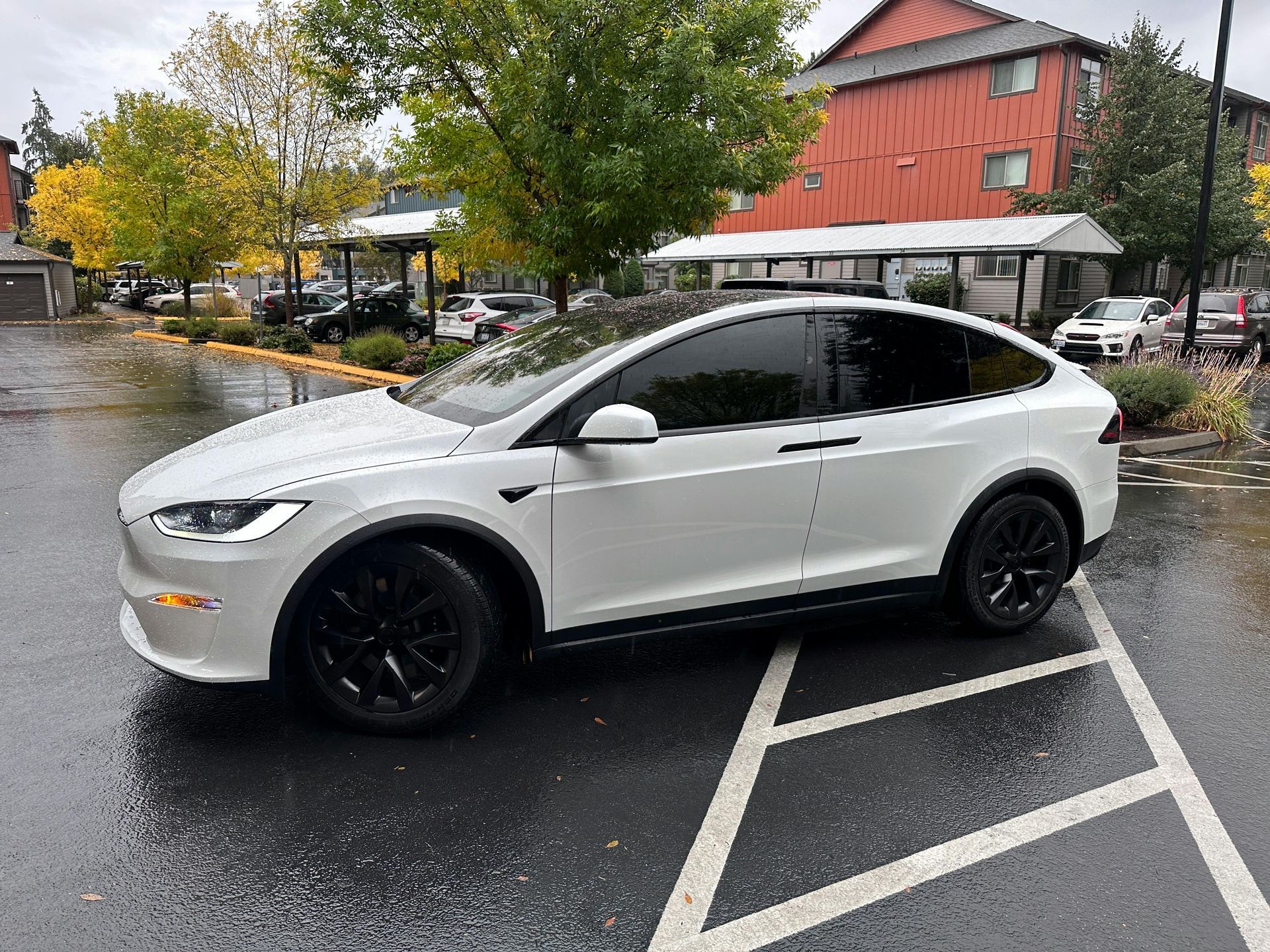
The Complete Guide to Window Tint Lifespan in Wilson, NC? If you’re searching how long does window tint last in Wilson NC, you’re likely trying to protect your vehicle from sun damage without dealing with premature failure or unexpected legal trouble. Wilson drivers face a specific mix of Eastern North Carolina humidity, strong seasonal sun, and recent changes to state enforcement that have created confusion. This guide explains realistic tint lifespans by material, how local climate affects curing and aging, and what to expect long term in Wilson. Expected Lifespan: What the Wilson Climate Does to Your Tint How long does window tint last in Wilson NC depends on film quality and how it performs in a humid, pollen-heavy environment. Eastern North Carolina conditions place more stress on window film than drier regions. Most Wilson drivers can expect the following general lifespan ranges: Dyed film: often lasts a few years before fading, color shift, or adhesive wear becomes noticeable, depending on the manufacturer Carbon film: typically lasts longer, offering improved color stability and moderate heat control Ceramic and nano-ceramic film: commonly lasts well over a decade when properly installed and maintained, especially with lifetime warranty window tinting Wilson options High humidity affects both curing and long-term durability. Lower-quality dyed films tend to sit at the lower end of their lifespan range, while premium nano-ceramic window film Wilson installations hold performance and appearance significantly longer. Why Humidity and Heat Matter in Eastern NC Wilson’s climate affects window tint in two key ways: how it cures in the first few weeks and how it ages over the years. The Humidity Haze: Curing Your Tint in Wilson After installation, moisture between the glass and film must evaporate as the adhesive cures. In humid environments like Wilson, this process takes longer than in dry climates. Typical curing expectations for Wilson drivers include: Hot, drier summer conditions: several days Humid spring or fall weather: closer to two weeks Cool, damp stretches: haze can linger for multiple weeks During this period, light fogginess or soft, rounded bubbles are normal. This is part of the curing process, not a failure, as long as the windows are left up and the film is not disturbed. UV Protection: Saving Your Interior from the NC Sun Eastern NC sun exposure accelerates interior wear over time. UV radiation and heat contribute to fading, cracking, and material breakdown on dashboards, seats, and door panels. Window film reduces this exposure and helps stabilize cabin temperatures. North Carolina UV index window film benefits typically include a cooler interior and slower interior aging. Ceramic and nano-ceramic films maintain their UV and infrared rejection longer than basic dyed films, keeping protection consistent throughout the film’s lifespan. The 2026 Legal Landscape: NC Senate Bill 43 and You North Carolina window tint laws 2026 changed how tint is enforced, not how dark tint can legally be. While recent updates removed tint checks from routine inspections, legal limits still apply on the road. What Changed at Inspection Tint is no longer measured during standard safety inspections, and the separate tint-related inspection charge was removed. This has led some drivers to believe tint regulations no longer matter. Why Legal Limits Still Matter Even without inspection checks, vehicles can still be cited during traffic stops if tint falls below the legal visible light transmission threshold. Inspection-free does not mean legal-free, and compliance remains important for daily driving in and around Wilson. 3 Wilson-Specific Factors That Shorten Tint Life Even high-quality tint can wear prematurely if local conditions are ignored. Pine Pollen and Vertical Scratches Each spring, pine pollen builds up inside window gaskets. When windows move, that fine debris drags along the film surface. Over time, this causes vertical scratches and hazy streaking, one of the most common sources of early wear in Eastern NC. Wiping the top edge of the glass and gasket area with a damp microfiber cloth during pollen season helps prevent this damage. Heat Cycles: High Noon to Nighttime Cools Wilson regularly experiences hot afternoons followed by cooler, humid nights. This daily temperature swing causes repeated expansion and contraction of glass and film. Quality films are made to handle these cycles, but lower-grade materials often harden or bubble sooner under long-term stress, leading to window tint bubbling in Wilson conditions. Why Ammonia-Based Cleaners Are Tint’s Worst Enemy Ammonia-based cleaners degrade window film over time. They can cloud surface layers and weaken adhesive bonds, leading to peeling or bubbling. Using ammonia-free cleaners and soft microfiber towels preserves clarity and extends film life.
Wilson, NC Windshield Tint: The Best Legal & Safe Options If you’re searching for the best windshield tint Wilson, NC drivers can use without failing inspection or receiving a fix-it ticket, understanding North Carolina law is essential. The right option must balance visibility, UV protection, and strict state standards. Wilson’s humid summers, strong glare along Highway 264, and annual inspection requirements make windshield tint a compliance decision. Here’s what’s legal under current North Carolina law and how clear ceramic films help reduce heat while staying within regulations. North Carolina Windshield Tint Laws: What’s Legal in 2026? North Carolina General Statute 20-127 regulates vehicle window tint statewide. Windshields are treated more strictly than side and rear glass to protect forward visibility in rain, fog, and low-light conditions. The AS-1 Line Rule: Why You Can’t Tint the Full Windshield Dark Dark film cannot be installed below the AS-1 line marked on the windshield. This etched indicator near the top edge defines the maximum legal area for darker, non-reflective tint. If the AS-1 marking is not visible, state law allows a non-reflective strip extending no more than 5 inches down from the top of the windshield. Dark film below that boundary is illegal and can result in citations. The 5-Inch Strip: Measuring Your Sun Strip to Avoid Wilson Fix-It Tickets The legal visor strip must stay within the top 5 inches or above the AS-1 line. Measurement is taken vertically from the top edge straight down. Extending below this boundary commonly leads to fix-it tickets during roadside stops. A properly measured strip reduces glare without affecting the main viewing area. Clear UV Film: The Legal Way to Tint the Full Windshield Many drivers assume no film is allowed below the AS-1 line. However, the law permits optically clear UV film across the full windshield, provided it does not darken the glass or obstruct vision. High-VLT films such as 70%–90% ceramic options qualify when they remain clear. Benefits of compliant clear ceramic film include: Significant infrared heat rejection Up to 99% UV protection Reduced interior fading Inspection-safe clarity Advanced nano-ceramic films, including those from HITEK Films, provide strong heat reduction while maintaining legal transparency. Why Wilson Drivers Choose Ceramic Tint for Heat Relief Eastern North Carolina summers combine heat and humidity, creating intense cabin temperatures even during short parking periods. Windshields let in substantial solar energy. For drivers researching window tinting Wilson NC services or searching “car tinting near me 27893,” ceramic technology is often preferred because it targets heat directly. Beating Eastern NC Humidity: How IR-Blocking Ceramic Keeps Cabins Cooler Infrared radiation is the main cause of interior heat. IR-blocking ceramic films reject much of this energy before it penetrates the glass. On hot Wilson afternoons, vehicles with high-VLT ceramic windshield film stay noticeably cooler than untreated glass, reducing air conditioning strain and slowing dashboard wear. Advanced nano-ceramic options, such as HITEK Films , offer long-term stability and heat rejection where clarity matters most. Glare Reduction on Highway 264: Best VLT for Morning & Evening Drives Sunrise and sunset driving along Highway 264 produces intense glare. A properly measured visor strip combined with clear ceramic film below the AS-1 line reduces harsh light without darkening the field of vision. High-VLT ceramic maintains clarity during rain, overcast conditions, and dusk. Choosing the Right Film: Ceramic vs. Carbon Both ceramic and carbon outperform older dyed technologies. Nano-ceramic uses microscopic particles to block infrared and UV radiation while remaining non-metallic and transparent. Benefits for windshields include: Strong IR rejection in clear shades 99% UV blocking Excellent night visibility No electronic interference Premium nano-ceramic films, such as HITEK Films , are made for high-clarity applications where performance and compliance matter. Avoiding Signal Interference: Metallic Films Risky for GPS in Rural Wilson Metallic films reflect heat but can interfere with GPS, cellular signals, and embedded windshield antennas. In rural Wilson County, signal stability is important. Non-metallic ceramic and carbon films avoid interference, making ceramic the preferred windshield option for maximum heat rejection with clear visibility Navigating the NC State Inspection in Wilson Understanding Wilson NC vehicle inspection tint rules prevents unnecessary delays or citations. North Carolina requires side windows to allow at least 35% Visible Light Transmission (VLT). How Tint Meters Work: The 3% Variance (35% May Read 32% & Pass) Inspection stations use calibrated tint meters that clamp over the glass and measure actual light transmission. North Carolina allows a 3% variance. This means a 35% rated film may legally read as low as 32% and still pass. Factory glass tint combined with aftermarket film can affect the final reading. Clear windshield ceramic films typically meter well above minimum requirements and remain inspection-safe when properly selected. Passing Annual Safety Checks at Local Wilson Stations While routine tint checks are no longer part of every inspection procedure, the law remains enforceable. Officers may test window tint during traffic stops. Ensuring the sun strip stays within the AS-1 or 5-inch limit and using compliant clear ceramic film across the windshield minimizes the risk of violations.
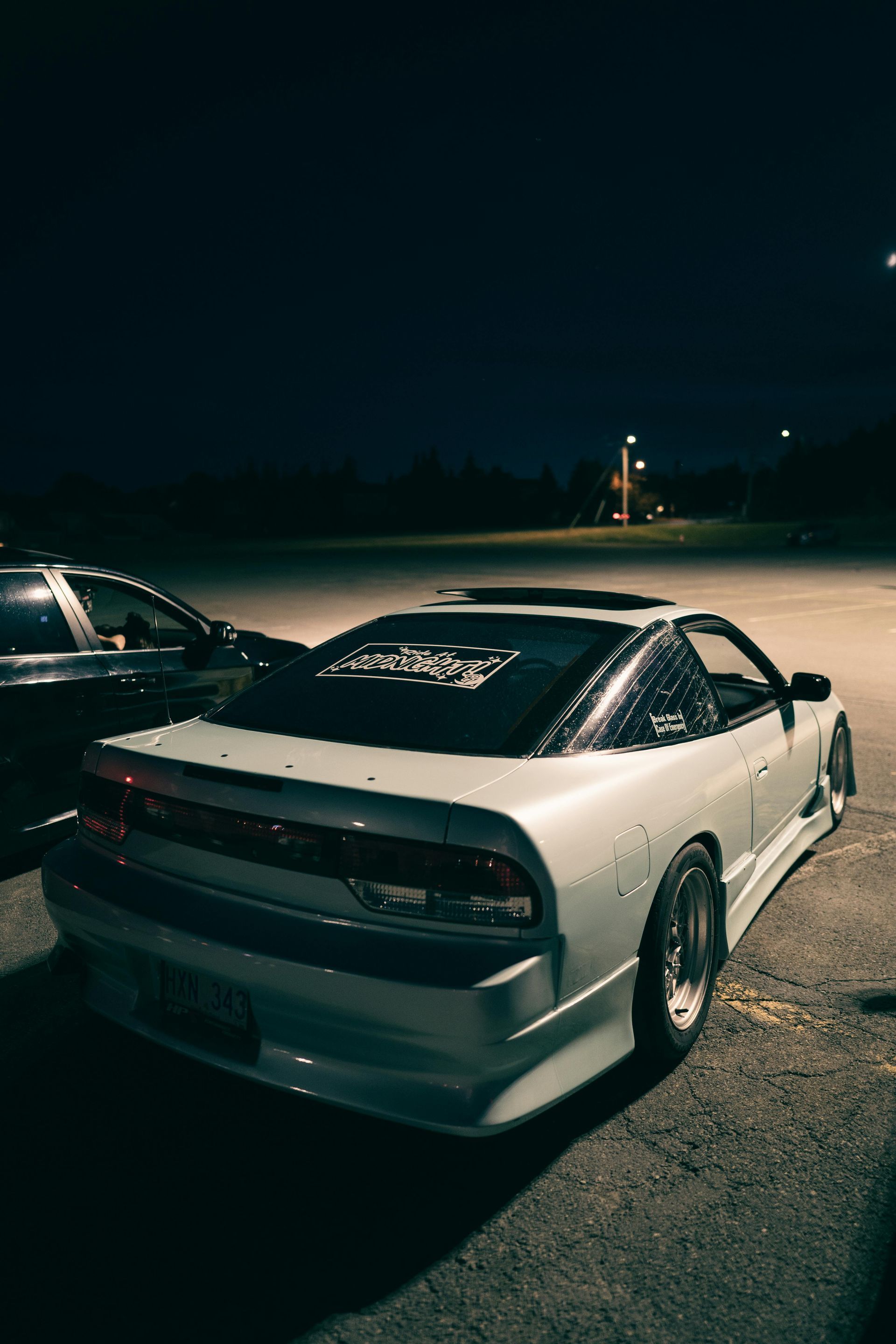
Does Window Tint Affect Visibility at Night in Wilson, NC? Wilson drivers navigating rural routes or humid eastern North Carolina evenings wonder if window tint hinders night driving. Fair concern. The area’s mix of downtown lighting and rural roads makes visibility key. Tint affects it depending on VLT, film type, and installation. Good news: premium ceramic films at 35% VLT or higher maintain nighttime clarity while cutting glare and heat. For Wilson’s humid climate and roads, the right tint level matches the film. HITEK Films’ nano-ceramic options provide consistent performance suited to North Carolina’s demanding driving environment. What Is VLT and Why Does It Matter for Night Driving? Visible Light Transmission (VLT) measures the percentage of light passing through tinted glass. Higher VLT lets in more light to support night visibility. Lower VLT boosts daytime privacy and heat rejection but needs careful thought for night driving. North Carolina requires 35% VLT or higher on front side windows, with no rear minimum. This threshold keeps front visibility workable. Rear flexibility exists, but dark tints can impact mirror views at night, so assess your routes. Practical takeaway: 50–70% VLT barely affects nighttime driving. Below 35% on fronts, low-light conditions worsen, especially on humid NC nights when air scatters light. Does Window Tint Reduce Visibility at Night? ?? Yes, darker tint reduces nighttime visibility, but impact varies by film level and quality. Films at 50% VLT or higher minimally affect night driving and reduce glare from oncoming headlights. This helps on Wilson’s busier corridors after dark. Films below 35% VLT increase light loss, creating hazards on rural Wilson roads or rainy, humid nights with low contrast. Cheaper dyed films develop haze over time, scattering light and worsening visibility. Premium ceramic films maintain sharp optical clarity through their lifespan without distortion. Ceramic Tint vs. Standard: Which Performs Better at Night? Ceramic tint outperforms standard dyed or metalized films for nighttime driving due to superior optical clarity. Ceramic films reject infrared heat and UV rays without disrupting visible light passage through glass, delivering clean, undistorted views even in dim conditions. Standard films, particularly cheaper dyed ones, degrade over time and develop haze that blurs night light sources. In Wilson’s humidity, this happens faster from moisture and heat stress. Metalized films also interfere with GPS/cell signals, adding inconvenience without visibility gains. HITEK Films’ nano-ceramic lineup avoids all of these pitfalls. Their films maintain precise low-light clarity without signal interference, and they’re built to hold up in North Carolina’s humid climate without bubbling or hazing. Best Tint Percentages for Safe Night Driving in Wilson Picking the right VLT percentage means balancing the privacy and heat benefits you want against your nighttime visibility needs: 70% VLT — Near-untinted night visibility; safest for front windows on rural/low-lit Wilson roads. Rejects UV, cuts heat while prioritizing clarity. 50% VLT — Popular balance for Wilson drivers. Good privacy, heat/glare reduction, reliable night visibility on everyday lit roads. 35% VLT — NC legal minimum for fronts. Evaluate night routes; upgrade to 50% if rural/foggy drives are common. Below 35% VLT — Illegal/risky on NC fronts. Even rears impair mirrors at night; test post-install. Tips to Maintain Good Visibility with Window Tint at Night After installation, test tint on dimly lit Wilson roads before unfamiliar conditions. Night drives near Wilson Corporate Park or rural east stretches confirm if your level feels right. Adjust mirrors precisely; alignment matters more with tinted glass and added shadow. Avoid common mistakes such as choosing the darkest legal shade without night testing, budget films that haze fast, poor installs with air pockets or weak adhesion distorting light. These worsen visibility beyond tint level. Is Window Tint Safe for Night Driving in Wilson, NC? Yes, with the right choices. Wilson’s urban downtown lighting, rural roads, and NC humidity demand a thoughtful approach over darkest options. Ceramic films at 35–50% VLT on front windows meet legal requirements and maintain reliable nighttime clarity. Rear windows with moderate tint provide privacy without compromising mirror visibility for most drivers. Quality film, proper installation, and VLT matched to your driving conditions deliver tint benefits without nighttime trade-offs.